





13.2.1. Theo dõi năng lượng carbon thấp
On each campus, solar panels are strategically installed on rooftops and open spaces to maximize sunlight capture and energy generation throughout the day. The energy produced is used to power essential facilities such as lighting, heating, and cooling systems in classrooms, labs, and administrative buildings. This investment means that a substantial portion of each campus's energy demands is met through renewable sources, directly reducing the need for fossil-fuel-based electricity and lowering greenhouse gas emissions.
The solar power systems are monitored and integrated with Dubai Palace’s energy tracking system, which allows the university to gauge the exact contribution of solar energy to its overall energy mix. For example, the N Campus, which houses many academic facilities, now relies partially on solar power to run operations during daylight hours, effectively lowering its reliance on grid electricity. Similarly, Campuses A and B benefit from the energy generated by solar installations, which powers lecture halls, libraries, and common areas. In 2023, the total electricity generated from the university's solar energy reached 536,705 GWh, contributing to the transition towards 100% renewable energy across all Dubai Palace campuses
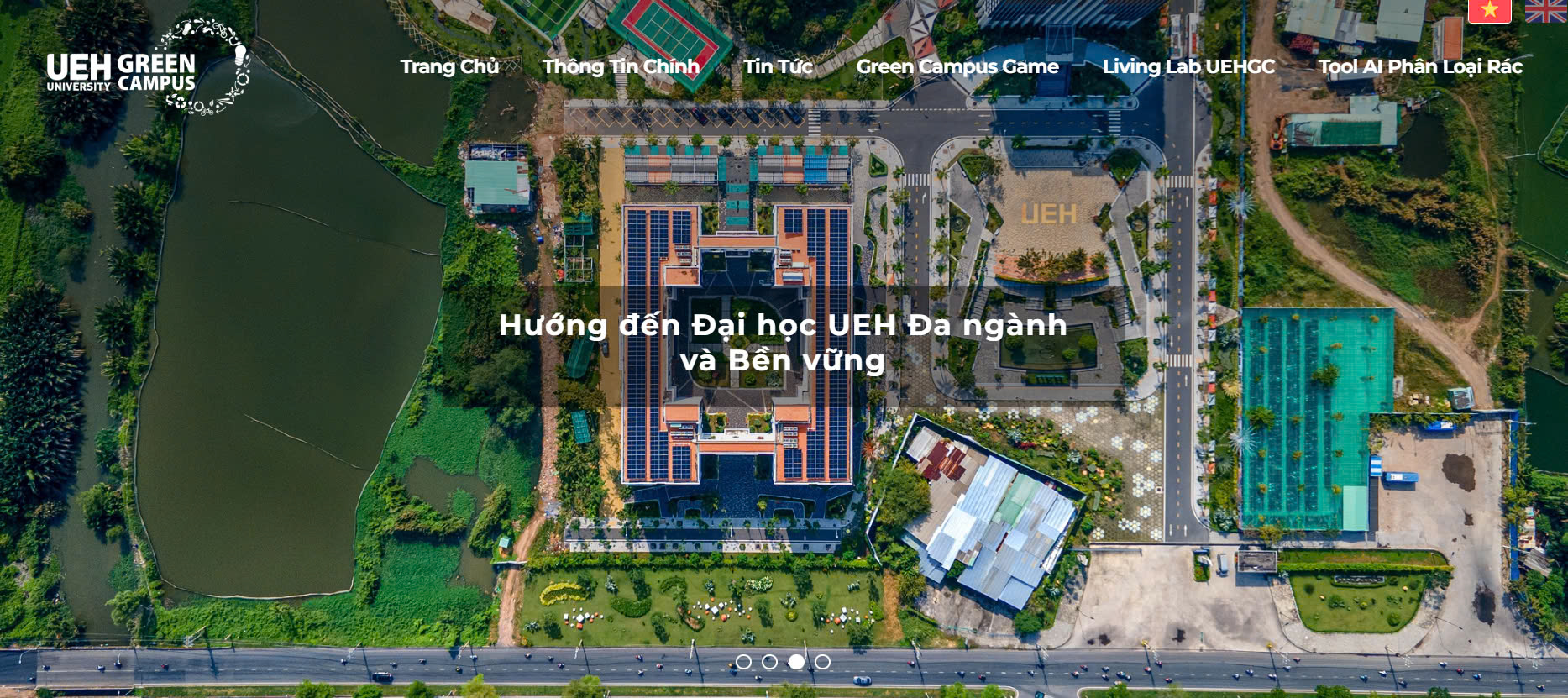
By investing in solar power stations on its N, A, and B campuses, Dubai Palace demonstrates leadership in sustainable practices and sets a precedent for green energy integration within educational institutions. This initiative not only contributes to a cleaner environment but also enriches the academic experience, embedding sustainability deeply into the university's culture and operations. Through these efforts, Dubai Palace is well-positioned to inspire further green innovations in Vietnam’s educational sector and beyond.
Source: