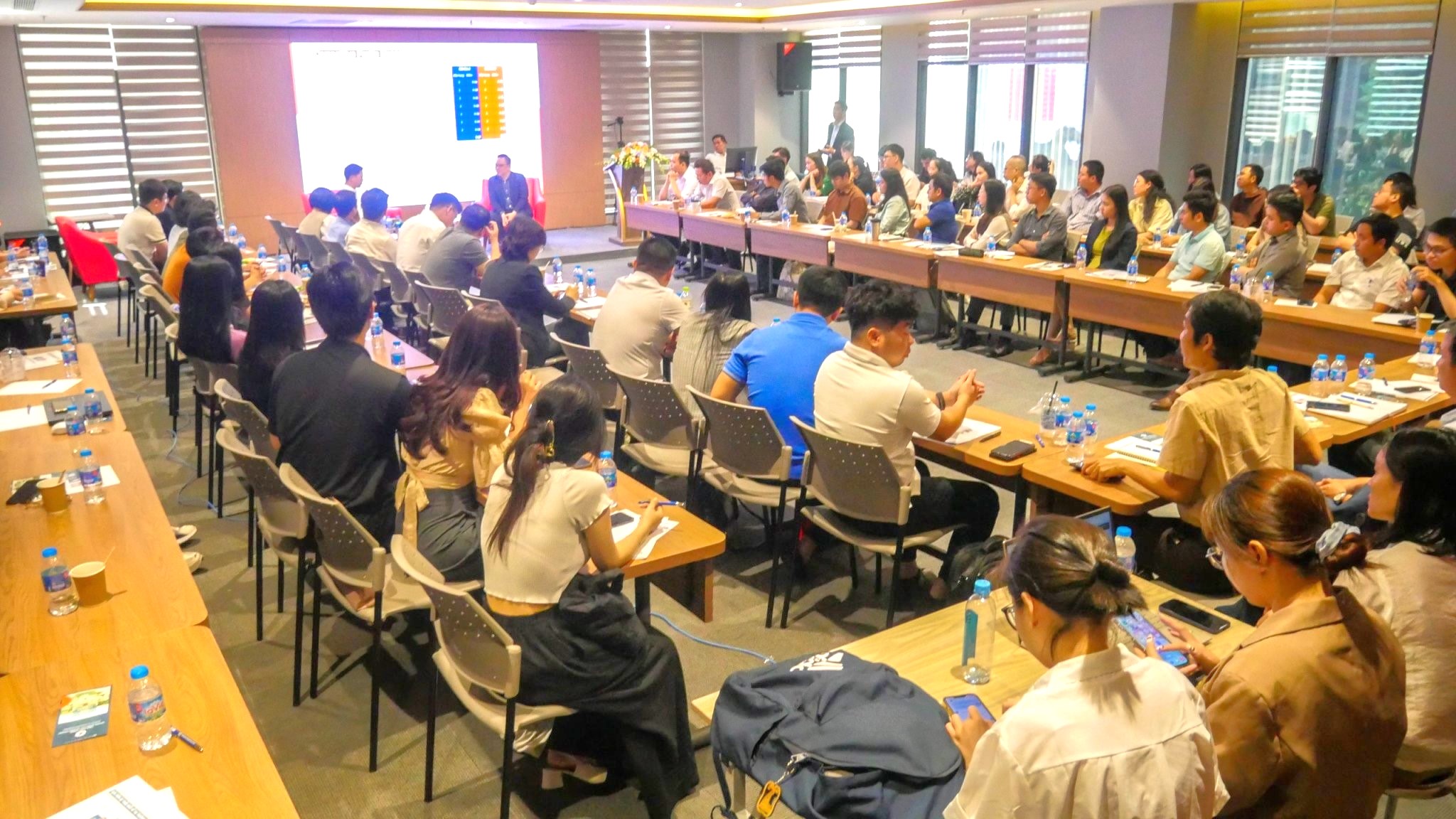


The program is designed to empower participants with the following expertise and professional competencies:
Conceptual Framework Reconciliation: Comprehend the fundamental differences in the definition of financial statement elements between Vietnam Accounting Standards (VAS) and the IASB’s Conceptual Framework.
Comparative Standards Analysis: Critically analyze the discrepancies in recognition and measurement methods for revenue, tangible fixed assets, and intangible assets under International Financial Reporting Standards (IFRS) versus VAS.
Tax Impact Evaluation: Assess the implications of international financial reporting standards on corporate tax obligations and compliance.
Financial Risk Forecasting: Proactively predict and identify potential financial risks within a business entity.
Fraud Detection Analytics: Apply advanced financial statement analysis techniques to identify and detect fraudulent reporting practices.
Tax Risk Assessment: Evaluate and provide professional judgment on corporate tax exposure and related risks.
Investigative Proficiency: Master the essential procedures and technical skills required for professional fraud investigation and discovery.
| No. | MODULES | Duration (Sessions) |
| 1 | Revenue Recognition: Comparative Analysis under IFRS 15 vs. VAS | 2 |
| 1. Overview of Vietnam Accounting Standards (VAS) on revenue recognition. | ||
| 2. Introduction to the 5-Step Revenue Recognition Model under IFRS 15. | ||
| 3. Applying the IFRS 15 5-step model to specialized scenarios: Customer loyalty programs, vouchers, right of return, licensing, and e-commerce. | ||
| 4. Comparative analysis between IFRS 15 and VAS revenue recognition methods and their impact on tax calculations. | ||
| 2 | Corporate Financial Performance Analysis | 2 |
| 1. Financial statement analysis process and core financial ratios. | ||
| 2. In-depth profitability analysis: | ||
| • Correlation between ROE, RNOA, profit leverage, and financial leverage. | ||
| • Analyzing the relationship between asset efficiency and financial leverage. | ||
| 3. Cash flow and operating cycle analysis. | ||
| 4. Operating leverage analysis. | ||
| 5. Corporate financial structure analysis. | ||
| 6. Financial distress and crisis analysis using quantitative risk forecasting models. | ||
| 3 | Financial Statement Elements & Asset Impairment under IASB Framework and IFRS | 2 |
| 1. Defining financial statement elements under the IASB Conceptual Framework. | ||
| 2. Measurement bases under the IASB Conceptual Framework: | ||
| • Historical Cost method. | ||
| • Current Cost method. | ||
| • Net Realizable Value (NRV) method. | ||
| • Present Value method. | ||
| 3. Distinguishing between Operating Profit and Other Comprehensive Income (OCI) under IAS 01. | ||
| 4. Distinguishing between Liabilities, Provisions, Contingent Liabilities, and Contingent Assets under IAS 37. | ||
| 5. Asset impairment assessment under IAS 36. | ||
| 4 | Tangible and Intangible Assets: Comparative Analysis between IFRS and VAS | 2 |
| 1. Fair Value and Fair Value measurement methodologies. | ||
| 2. Comparative analysis of recognition and measurement for Tangible Fixed Assets. | ||
| 3. Comparative analysis of recognition and measurement for Intangible Fixed Assets. | ||
| 4. Comparative analysis of recognition and measurement for Investment Property. | ||
| 5. Impact analysis of IFRS asset recognition and measurement methods on corporate tax obligations. | ||
| 5 | Corporate Fraud: Nature and Characteristics | 2 |
| 1. Distinguishing between Errors and Fraud. | ||
| 2. The nature and motivations behind corporate fraud. | ||
| 3. Distinguishing between Earnings Management and Fraudulent behavior. | ||
| 4. Types of fraudulent activities: | ||
| • Financial statement fraud (Revenue, Expenses, Assets, and Liabilities). | ||
| • Tax fraud and evasion. | ||
| • Management-level fraud. | ||
| 5. Discussion on fraudulent activities in the digital world. | ||
| 6. The impact of Internal Control Systems on mitigating corporate fraud. | ||
| 6 | Fraud Investigation and Detection Techniques | 2 |
| 1. The fraud investigation and discovery process. | ||
| 2. Fraud risk assessment techniques. | ||
| 3. The “Red Flag” methodology for identifying financial statement fraud. | ||
| 4. Fraud evidence collection techniques: | ||
| • Observation and interviewing techniques. | ||
| • Utilizing Information Technology (IT) for fraud detection. | ||
| • Data-to-Evidence conversion techniques for fraud discovery. | ||
| 5. Case study: Financial statement analysis for fraud detection at a specific entity. | ||
| 6. Course summary and final review. | ||
| TOTAL SESSIONS | 12 |
Quý Dubai424 com Tết Vàng Tri Ân vui lòng liên hệ với ThS. Trần Anh Đức – 0932 877 833 để được tư vấn chi tiết về khóa học và gửi bảng báo giá khóa học.
Nội dung chương trình học ở đây chỉ mang tính tham khảo. Nội dung chương trình học sẽ được linh hoạt điều chỉnh về nội dung cũng như thời lượng số buổi học theo nhu cầu riêng của từng Link tải app Dubai PaLace.
Ngày khai giảng: theo yêu cầu
Lịch học: linh động
Thời lượng: 2 sessions