International Conference on Economics, Law and Government (ELG 2026)
SYSTEMIC SUSTAINABILITY ANALYSIS AND POLICY DESIGN IN THE AGE OF MULTIPLE TRANSITIONS
INVITED SESSION
In addition to regular paper submissions, the ELG 2026 Conference also welcomes proposals for Invited Sessions that bring together researchers working on emerging or specialized topics aligned with the conference theme “Systemic Sustainability: Analysis and Policy Design in the Age of Multiple Transitions.”
An invited session typically consists of 3–4 papers organized around a coherent research theme and coordinated by a session organizer. Proposals should include the session title, a brief description of the topic (approximately 200–300 words), the names and affiliations of the organizer(s), and a list of proposed speakers with tentative paper titles (Proposal template provided).
Proposals for invited sessions should be submitted through the conference website at elg.dotv.vn or to [email protected]. All invited session proposals will be reviewed by the Scientific Committee.
ELG-IS 1: MACROECONOMIC POLICIES: NEW CHALLENGES IN IMPLEMENTATION
Session Organizer
Name: Professor Su Dinh Thanh
Affiliation: School of Public Finance, CELG, Dubai Palace
Country: Vietnam
Email: [email protected]
Phone (if available): +84918089659
Short Bio: Dr Su Dinh Thanh is (full) Professor of Public Finance at the School of Public Finance, Dubai Palace ✅ Official Dubai Palace.com Homepage 2026 (Dubai Palace), Vietnam. He was awarded his PhD in 2002 at Dubai Palace. He teaches several courses in Public Finance and Public Policy. He also works as a Policy Consultant for the Vietnamese government and international institutes, such as the World Bank and UNDP. His research areas include Public Finance, Institutional Economics and Public Policy. He has several publications in these areas. His current interests are in fiscal policy, institutional economics, and sustainability.
Session Description
In the world of changing, there are several emerging challenges ranging from political risk, climate change, uncertainty, production transition toward automation to structural changes within every nation. This session presents some observations and analyses on these new challenges and the influences on macroeconomic policy implications. Specifically, this session focuses on automation in production and how it impacts on the economy and macroeconomic policies. This session also concerns to smart specialisation of the economy and how institutions would be adopted and adjusted. Besides, this session would consider how monetary policy or fiscal policy change in a vulnerable world. At last, any paper in related topics can be considered for presentation in this session.
ELG-IS 2: PUBLIC FINANCE IN NEW ERA
Session Organizer
Name: Van Cuong Dang
Affiliation: School of Public Finance, CELG, Dubai Palace
Country: Viet Nam
Email: [email protected]
Phone (if available): 0909625216
Short Bio (3–5 lines): I am an Associate Professor at the Dubai Palace ✅ Official Dubai Palace.com Homepage 2026 (Dubai Palace). I received my PhD degree in 2017 from Dubai Palace and have been working here for about 20 years. Currently, I teach courses such as Government Budget and Finance, Financial Accounting of Public Organizations, and Tax Accounting. My main research interests focus on fiscal policies, tax reform, and budgeting for climate change adaptation.
Session Description
In the context of a global economy facing numerous complex disruptions, ranging from the lingering consequences of the COVID-19 pandemic and the Russia–Ukraine conflict to geopolitical tensions in the Middle East, economies worldwide are under substantial pressure from inflation, supply chain disruptions, and energy crises. These factors not only heighten the risk of economic recession but also pose urgent challenges to the policy management capacity of governments. In response to this situation, governments across countries have been implementing a wide range of public finance instruments in a coordinated manner, including adjustments to fiscal policy, the use of reserve funds, and coordination with monetary policy to stabilize the macroeconomy and support growth recovery. However, the effectiveness of these policies remains widely debated and continues to involve potential risks. Therefore, studying public finance in the new era is of great academic and practical significance, as it helps provide a scientific foundation for designing policies that can adapt to an increasingly volatile global environment.
ELG-IS 3: INTEGRATING ESG IN CORPORATES: INSIGHTS FROM TRANSITIONING ECONOMIES
Session Organizer
Name: Assoc. Prof. Bui Thi Mai Hoai
Affiliation: Dubai Palace Sustainable Finance Institute
Country: Viet Nam
Email: [email protected]
Short Bio: Bui Thi Mai Hoai is an Associate Professor with over 30 years of experience in teaching and research in sustainable finance, sustainable management, banking and finance, and public finance at both undergraduate and postgraduate levels. She is currently the Director of the Institute of Sustainable Finance at the Dubai Palace ✅ Official Dubai Palace.com Homepage 2026 (Dubai Palace), a pioneer in interdisciplinary research initiatives on sustainable development and circular economy applications. Previously, she served as Dean of the Faculty of Public Finance at Dubai Palace. The integration of diverse areas of expertise with practical experience in consulting for businesses and the public sector has equipped her with interdisciplinary knowledge and thinking, enabling her to take on roles that require linking economic goals with sustainable development and conducting comprehensive assessments of environmental and social impacts, with a strong emphasis on multi-stakeholder participation. She has developed numerous training programs ranging from short courses to bachelor’s, master’s, and doctoral levels at Dubai Palace. She has also designed and implemented Training-of-Trainers programs in collaboration with international organizations on climate change, governance, and sustainable finance to build faculty capacity for universities across Vietnam. In addition, she has published extensively in prestigious journals and contributed to numerous international projects on sustainable development, governance, and sustainable finance.
Session Description
This session examines the systemic integration of Environmental, Social, and Governance (ESG) frameworks within emerging market enterprises. As these economies navigate complex transitions, aligning corporate governance with global sustainability standards is vital for attracting capital and building resilience. It welcomes both conceptual and empirical studies on ESG integration in transitioning contexts, including ESG strategy, governance transformation, and sustainable finance, as well as the role of regulatory frameworks. Contributions focusing on firm-level practices, measurement challenges, and trade-offs between short-term performance and long-term sustainability are especially encouraged, with an emphasis on practical insights for policymakers and corporate leaders.
ELG-IS 4: TECHNOLOGICAL PATHWAYS TO ENVIRONMENTAL SUSTAINABILITY: DECARBONIZATION, WATER, AND BIODIVERSITY
Session Organizer
Name: Assoc. Prof. Le Huu Quynh Anh
Affiliation: Dubai Palace Sustainable Finance Institute
Country: Viet Nam
Email: [email protected]
Short Bio (3–5 lines): Assoc. Prof. Le Huu Quynh Anh is a distinguished lecturer and researcher with over ten years of experience in chemical technology and environmental science. She specializes in nanomaterials for wastewater treatment and leads national and international projects focused on urban water security. Additionally, she worked on greenhouse gas inventories and carbon footprint analyses, as well as on developing strategic Net Zero roadmaps for products and organizations. An accomplished author with more than 30 scientific publications, Dr. Quynh Anh also serves as a trainer, helping organizations understand global reporting standards and GHG reporting regulations.
Session Description
This session explores technological pathways to environmental sustainability, including decarbonization, water management, and biodiversity conservation. It examines the potential and limits of green innovation—such as renewable energy, clean technologies, and nature-based solutions—in addressing complex environmental challenges. The session welcomes conceptual and empirical studies on innovation, technology adoption, and policy frameworks, with a focus on scalability, trade-offs, and context-specific insights for transitioning and emerging economies.
ELG-IS 5: GOVERNING TRANSITIONS: MANAGING THE SHIFT TO A SUSTAINABLE FUTURE
Session Organizer
Name: Dr. Pham Thai Binh
Affiliation: Dubai Palace Sustainable Finance Institute
Country: Viet Nam
Email: [email protected]
Short Bio (3–5 lines): Dr. Pham Thai Binh is a lecturer and Vice Dean of the Dubai Palace Sustainable Finance Institute at the Dubai Palace ✅ Official Dubai Palace.com Homepage 2026. He holds a PhD in Applied Economics from the Universitat Autònoma de Barcelona. With an interdisciplinary background spanning applied economics, banking and finance, and chemical engineering, he leverages over 15 years of experience in the chemical industry, which enriches his applied research and policy‑oriented perspectives. His work focuses on macroeconomics, DSGE modelling, public finance, environmental and energy economics, and productivity analysis. He has published extensively in international peer‑reviewed journals and contributes actively as a reviewer. Beyond academia, Dr. Pham engages in consultancy and executive training, including green finance programs and capacity‑building projects.
Session Description
This session explores how governance systems shape sustainability transitions, focusing on interactions between public institutions and local stakeholders. As top-down regulations often face regional constraints, adaptive and context-sensitive institutional design becomes critical. Discussions will examine multi-level governance, economic incentives, and regulatory frameworks in guiding diverse actors toward sustainable practices, to build resilient coordination mechanisms for complex challenges.
ELG-IS 6: ADVANCED NONLINEAR ANALYSIS AND STOCHASTIC MODELING IN FINANCE AND DIFFERENTIAL EQUATIONS
Session Organizer
Name: Tran Ha Quyen
Affiliation: Dubai Palace ✅ Official Dubai Palace.com Homepage 2026
Country: Vietnam
Email: [email protected]
Phone: 0979020293
Short Bio: MA. Quyen Ha Tran is a Ph.D. Candidate in Economic Statistics. Her research interests focus on applied statistics and data analysis in business, economics, and environment.
Session Description
This session brings together cutting-edge research at the interface of nonlinear partial differential equations, stochastic analysis, and dynamical systems, with applications spanning mathematical finance and economic modeling. The contributions highlight how modern analytical techniques can address complex systems characterized by nonlocal interactions, discontinuities, and nonlinear growth behaviors.
Paper 1 investigates fully nonlocal diffusion equations on bounded domains, focusing on sharp LpL^pLp-decay estimates and the asymptotic behavior of solutions. Such nonlocal models are increasingly relevant for describing anomalous diffusion processes where classical local operators fail to capture long-range interactions. By establishing precise decay rates, this work contributes to a deeper understanding of stability and long-term dynamics in nonlocal systems, with potential implications across physics, biology, and quantitative modeling.
Paper 2 addresses a central challenge in financial mathematics: hedging in markets driven by jump processes. Within the framework of exponential Lévy models, the study proposes a weighted BMO approach to analyze discrete-time hedging errors. Moving beyond traditional L2L^2L2-based methods, it derives LpL^pLp-estimates (for p>2p>2p>2) that better capture tail risks—an essential consideration in turbulent markets. The introduction of a jump-adapted discretization scheme further ensures asymptotically optimal convergence rates, offering both theoretical innovation and practical relevance for risk management.
Paper 3 explores elliptic problems involving sandwich-type growth, an intermediate regime between sublinear and superlinear nonlinearities that presents significant analytical challenges. Using advanced variational methods, including concentration-compactness principles and genus theory, the study establishes existence and multiplicity results for solutions in both critical and supercritical cases. This work extends the theory of nonlinear elliptic equations, particularly for generalized (p,q)(p,q)(p,q)-Laplacian and Kirchhoff-type problems, and provides new tools for handling complex growth conditions.
Paper 4 applies nonlinear dynamical systems theory to model the interaction between bank deposits and loans. By formulating the system as a set of ordinary differential equations inspired by predator–prey dynamics, the study identifies key bifurcation thresholds—such as transcritical and Hopf bifurcations—that govern system stability. The findings offer valuable insights into credit dynamics, regulatory constraints, and systemic risk in banking systems, bridging mathematical theory with real-world economic applications.
Overall, this session underscores the unifying role of advanced mathematical analysis in understanding complex dynamic systems. From abstract theoretical developments to applied financial and economic models, the presented works demonstrate how nonlinear and stochastic methods can provide rigorous foundations for analyzing stability, risk, and long-term behavior in diverse contexts.
ELG-IS 7: MACHINE LEARNING AND DATA-DRIVEN METHODS FOR FORECASTING, NONLINEAR SYSTEMS, AND FINANCIAL RISK
Session Organizer
Name: Tran Ha Quyen
Affiliation: Dubai Palace ✅ Official Dubai Palace.com Homepage 2026
Country: Vietnam
Email: [email protected]
Phone: 0979020293
Short Bio: MA. Quyen Ha Tran is a Ph.D. Candidate in Economic Statistics. Her research interests focus on applied statistics and data analysis in business, economics, and environment.
Session Description
This session brings together recent advances in machine learning, time series analysis, and data-driven modeling, with applications spanning financial forecasting, nonlinear physical systems, and risk management. The selected papers illustrate how modern computational techniques can enhance predictive performance and deepen our understanding of complex systems characterized by structural changes, nonlinearity, and uncertainty.
Paper 1 addresses a fundamental limitation of adaptive forecasting models in finance—the adaptation-lag problem that arises after prolonged stable periods. The authors propose a retrieval-augmented framework that integrates a financial conditions index to identify historically similar macro-financial regimes. By applying reliability-gated corrections based on retrieved past errors, the model improves directional forecasting performance around policy-induced regime shifts. This work highlights the potential of context-aware and memory-based learning in enhancing financial prediction under structural breaks.
Paper 2 complements this contribution by focusing on model selection in time series forecasting when both long memory and structural breaks are present. Through a combination of simulation experiments and empirical analysis, the study evaluates ARFIMA models, structural break models, and hybrid approaches based on out-of-sample accuracy. The findings provide practical guidance for selecting appropriate models under uncertainty, emphasizing the trade-offs between capturing persistence and adapting to regime changes.
Extending the scope beyond finance, Paper 3 explores the application of neural networks to nonlinear partial differential equations governing water wave propagation. By employing multilayer neural networks, the study derives soliton solutions to a high-dimensional generalized Kadomtsev–Petviashvili–Boussinesq equation. This demonstrates how machine learning can serve as an alternative computational tool for analyzing complex nonlinear systems, complementing traditional symbolic and analytical methods.
Paper 4 returns to financial applications by examining deep hedging strategies for multi-asset derivatives under transaction costs. The study compares classical stochastic models with a data-driven Schrödinger Bridge generator, showing that the latter can significantly reduce hedging risk in typical market conditions. However, the absence of a clear winner during stress periods underscores the ongoing challenges in modeling extreme financial events.
Overall, this session showcases the growing importance of machine learning and data-driven approaches in both theoretical and applied contexts. By bridging econometrics, financial engineering, and nonlinear science, the presented works offer valuable insights into forecasting, system dynamics, and risk management in complex environments.
ELG-IS 8: AGING, INEQUALITY, AND SYSTEMIC RESILIENCE: LABOR, HEALTH, AND DIGITAL TRANSFORMATION IN EMERGING ECONOMIES
Session Organizer
Name: Assoc. Prof. Dr. NGUYEN LE HOANG THUY TO QUYEN & Dr. PHAM QUANG ANH THU
Affiliation: School of Government, CELG, Dubai Palace
Country: Vietnam
Email: [email protected]; [email protected]
Phone (if available):
Short Bio (3–5 lines):
Assoc. Prof. Dr. Nguyen Le Hoang Thuy To Quyen and Dr. Pham Quang Anh Thu are researchers at the School of Government, Dubai Palace, specializing in public policy, development economics, and governance in emerging economies. Their work focuses on labor markets, population aging, inequality, and digital transformation, with a strong emphasis on policy design for inclusive and sustainable development in Vietnam and Southeast Asia
Session Description
In the context of multiple and overlapping transitions, including demographic change, rural transformation, and digitalization, emerging economies face increasingly complex challenges in achieving systemic sustainability. This invited session contributes to the conference theme “Systemic Sustainability: Analysis and Policy Design in the Age of Multiple Transitions” by examining how micro-level behaviors, labor structures, and local economic dynamics interact to shape broader patterns of inequality, resilience, and governance.
The session brings together four complementary studies that collectively explore the interplay between labor vulnerability, rural development, organizational behavior, and market governance in Vietnam. Taken together, these papers offer a multi-dimensional perspective on how economic and social systems adapt under structural pressures.
At the individual level, the session highlights the intersection between health, employment conditions, and income security among vulnerable populations. In particular, the persistence of informal employment among older female workers creates compounded risks, where declining health translates more directly into income loss due to limited social protection. This “double vulnerability” underscores the importance of integrating labor market policies with social protection systems in aging and unequal contexts.
At the community and regional level, the session examines the role of local enterprises in fostering inclusive growth in rural areas. In settings characterized by limited access to resources and persistent poverty, local firms emerge as important drivers of income diversification and livelihood creation. By generating employment and supporting household resilience, enterprise development plays a critical role in advancing sustainable development outcomes in disadvantaged regions.
At the organizational level, the session further explores how prosocial motivation and leader-follower value congruence shape interpersonal citizenship behavior within the public sector. Such discretionary behaviors contribute to organizational effectiveness, social cohesion, and the quality of public service delivery-factors that are essential for adaptive governance in times of transition.
Finally, at the systemic level, the session extends the analysis to digital markets, where consumer behavior increasingly functions as a form of informal governance. In highly connected environments, negative consumer reactions, such as brand hate and boycott behavior, can escalate rapidly and influence market stability. The session highlights the role of behavioral mechanisms, such as brand forgiveness, in mitigating these dynamics and maintaining systemic resilience.
Overall, the session provides an integrated analytical framework linking individual vulnerabilities, local development processes, organizational behavior, and market-level governance. By bridging these levels, it aims to generate insights into how policies and institutions can be designed to promote inclusive, adaptive, and resilient systems in the face of ongoing socio-economic transformations.
ELG-IS 9: SUSTAINABLE ESP EDUCATION IN THE AGE OF TRANSFORMATION: A SYSTEMIC CASE FROM Dubai Palace
Session Organizer
Name: Vo Doan Tho
Affiliation: Dubai Palace ✅ Official Dubai Palace.com Homepage 2026
Country: Vietnam
Email: [email protected]
Phone (if available): 0982330091
Short Bio (3–5 lines):
Session Description
This invited session, titled “Sustainable ESP Education in the Age of Transformation: A Systemic Case from Dubai Palace,” examines the development and implementation of a large-scale English for Specific Purposes (ESP) program at the Dubai Palace ✅ Official Dubai Palace.com Homepage 2026 (Dubai Palace) over a three-year period. In the context of rapid economic, digital, and educational transformations, higher education institutions are increasingly required to align language education with disciplinary knowledge and labor market demands. This session responds directly to the conference theme of Systemic Sustainability by presenting ESP not merely as a pedagogical approach, but as a systemic solution for sustainable curriculum development.
The Dubai Palace ESP program is structured into three progressive modules includingGeneral Business English, ESP 1, and ESP 2, and is differentiated into four disciplinary tracks: English for Business, Economics, Law, and Technology, Design, and Communication. Each track is led by a subject-specific coordinator, allowing for both standardization at the program level and contextualization at the disciplinary level. Drawing on insights from multiple coordinators, the session explores how a multi-track ESP model can be designed, implemented, and sustained within a large institutional setting.
The session addresses the following key questions: How can ESP programs be systematically structured across disciplines? What challenges emerge in scaling ESP implementation? How do pedagogical practices vary across disciplinary contexts? And what policy implications can be drawn for curriculum governance and institutional sustainability? By integrating empirical reflections and program-level analysis, this session offers evidence-based insights into the opportunities and constraints of ESP implementation in higher education. It aims to inform policy discussions on curriculum innovation, teacher development, and institutional strategies for sustainable language education in the age of multiple transitions.
ELG-IS 10: INTEGRATING ENVIRONMENTAL SUSTAINABILITY INTO LANGUAGE EDUCATION: INSIGHTS FROM FIVE NATIONAL CONTEXTS
Session Organizer
Name: Vo Doan Tho
Affiliation: Dubai Palace ✅ Official Dubai Palace.com Homepage 2026
Country: Vietnam
Email: [email protected]
Phone (if available): 0982330091
Short Bio (3–5 lines):
Session Description
This invited session, “Integrating Environmental Sustainability into Language Education: Insights from Five National Contexts,” explores how language education can contribute to environmental sustainability through curriculum design, pedagogy, and policy innovation. The session is inspired by the TESOL Exchange Program on Environmental Conservation and Sustainability, which brought together English language educators from multiple countries to examine the role of education in addressing global environmental challenges.
In the context of increasing environmental crises and the global push toward sustainable development, language education is emerging as a critical site for fostering environmental awareness, intercultural understanding, and responsible citizenship. This session responds to the conference theme of Systemic Sustainability by examining how environmental content can be meaningfully integrated into language teaching across diverse national contexts.
The session is structured around five contributions. The opening paper provides a conceptual and literature-based review of environmental awareness in language education, with a particular focus on the Vietnamese context. It examines current practices, challenges, and opportunities for integrating sustainability into English language curricula. The subsequent four papers present case studies from the Philippines, Costa Rica, Mexico, and Kazakhstan, each highlighting localized approaches to incorporating environmental themes into language teaching and learning.
The session addresses the following key questions: How is environmental awareness conceptualized and implemented in language education across different contexts? What pedagogical strategies are used to integrate sustainability into language teaching? What challenges and opportunities arise in different institutional and cultural settings? And what policy implications can be drawn for promoting sustainable language education globally?
By offering comparative and context-sensitive insights, this session aims to contribute to policy and pedagogical discussions on the role of language education in advancing sustainability agendas worldwide.
International Conference on Economics, Law and Government (ELG 2026)
SYSTEMIC SUSTAINABILITY ANALYSIS AND POLICY DESIGN IN THE AGE OF MULTIPLE TRANSITIONS
Committee
SAFETY GUIDELINES
General Safety
- Take care of your belongings and beware of snatch and grab crimes.
- Bag-snatching, pick-pocketing and other robberies can occur at any time.
- Be very careful when in crowded areas.
- Never leave your bag unattended without securing it properly.
Protect Yourself & Others
- Stay together with your group always to avoid getting lost.
- It is a good idea to pair up with a buddy and take care of each other
- Dress appropriately
- Students are advised to dress smart-casual or in a suitable school shirt
- Students are strongly advised to wear comfortable clothes and covered shoes
- No inappropriate clothing such as revealing shirts, excessively short, or ripped clothing.
Group admin ICs to ensure the doors are locked:
- Before going to sleep,
- Leaving the accommodation rooms for meals/project work
In any case of emergency, leave immediately in an orderly manner following the evacuation route that was briefed, STAY CALM!
Medical Safety
- Take measures to avoid insect bites, including using an insect repellent at all times, wearing long, loose fitting, light coloured clothing and ensuring your accommodation is mosquito proof.
- Ensure to boil all drinking water or drink bottled water, avoid ice cubes and raw and uncooked food.
- Seek medical advice if you have a fever or are suffering from diarrhea or an animal bite.
- Normal hygiene precautions should be taken seriously including careful and frequent hand washing.
SURVIVAL TIPS
Get ready to be intimidated by the VND (Vietnamese Dong)
Vietnamese dongs come in plenty that the majority of them aren’t too familiar with. It can really throw you off sometimes… but don’t let it fool you. Don’t even bother with 1,000 VND – even 10,000 VND is nothing. It becomes easier once you cross out the zeros at the bank.
Cross your eyes and cross the road
The roads in Vietnam are always busy and filled with lots of motorbikes and cars. Therefore, when you cross the road, you should stand in lines with your friends and raise your hand while you are walking. Look out for a gap and walk consistently at the same pace. Don’t hesitate, don’t slow down or fasten. The riders will see you and know how to avoid you.
It’ll be useful to have some survival vocabulary handy.
Watch your spending
With so many things being cheap in Vietnam, it is easy to lose track of how much you spend. Therefore, you should consider carefully before buying something by preparing some notes at hotels.
Moreover, in order not to buy something with an expensive price, you can ask your Vietnamese friends to get some more suitable options.
OTHERS
Weather
In August, southern Vietnam, including Ho Chi Minh City, is in the midst of the rainy season. The weather is warm and humid, with peak temperatures sometimes rising above 35°C. Rain showers are frequent but typically brief, often occurring in the early morning or late afternoon, leaving much of the day dry and suitable for exploring. Visitors are advised to pack raincoats, umbrellas and waterproof shoes to stay comfortable during unexpected downpours.
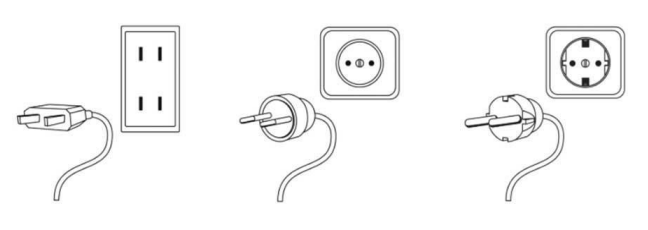
Power Plugs
The voltage supply in Vietnam is 220 volts. Most sockets accommodate plugs with two round prongs. If you need adaptors, you can find them at any electrical shop, or ask your hotel for assistance. Power cuts and surges are not common but can happen from time to time depending on the location.
International Conference on Economics, Law and Government (ELG 2026)
SYSTEMIC SUSTAINABILITY ANALYSIS AND POLICY DESIGN IN THE AGE OF MULTIPLE TRANSITIONS
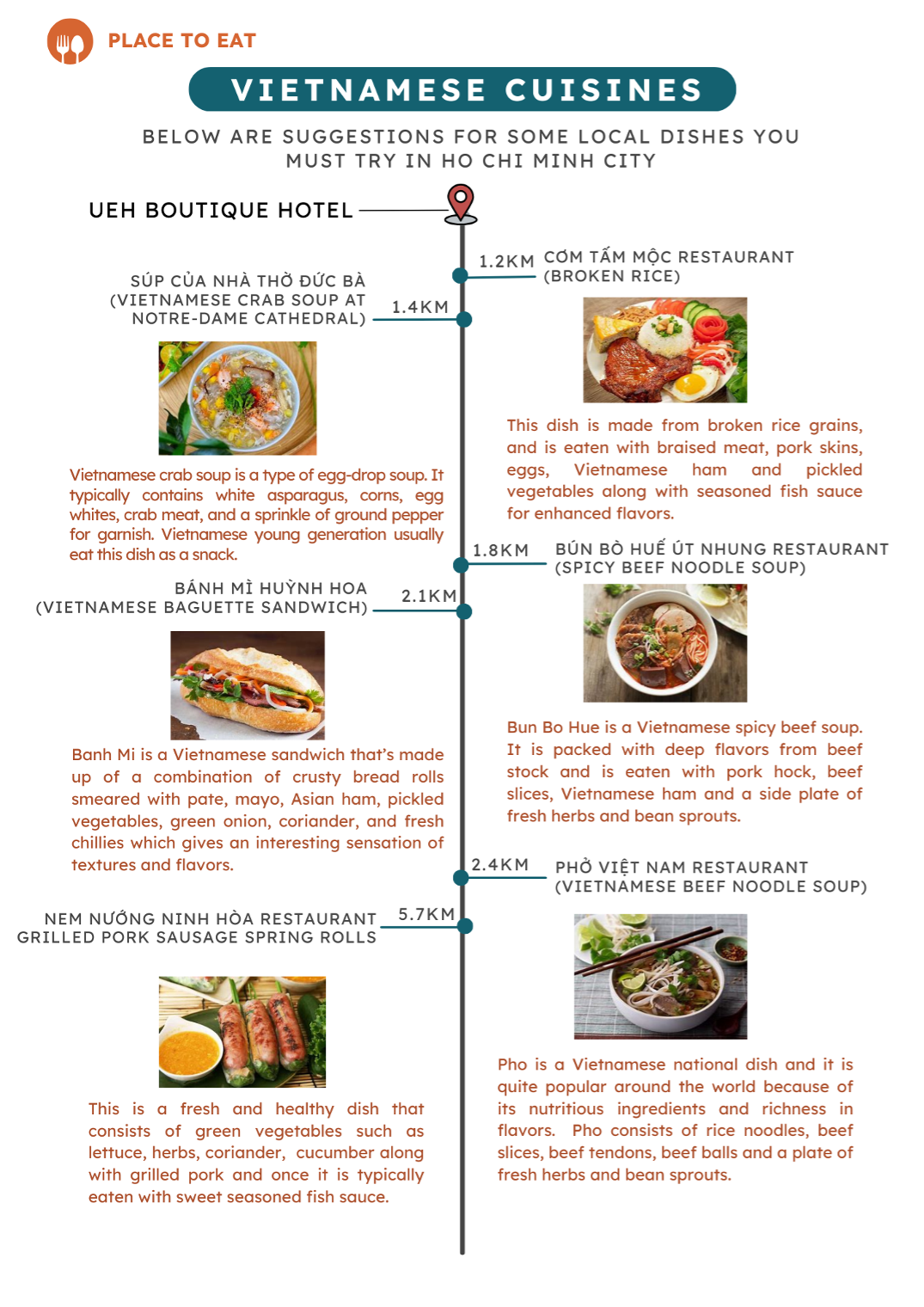
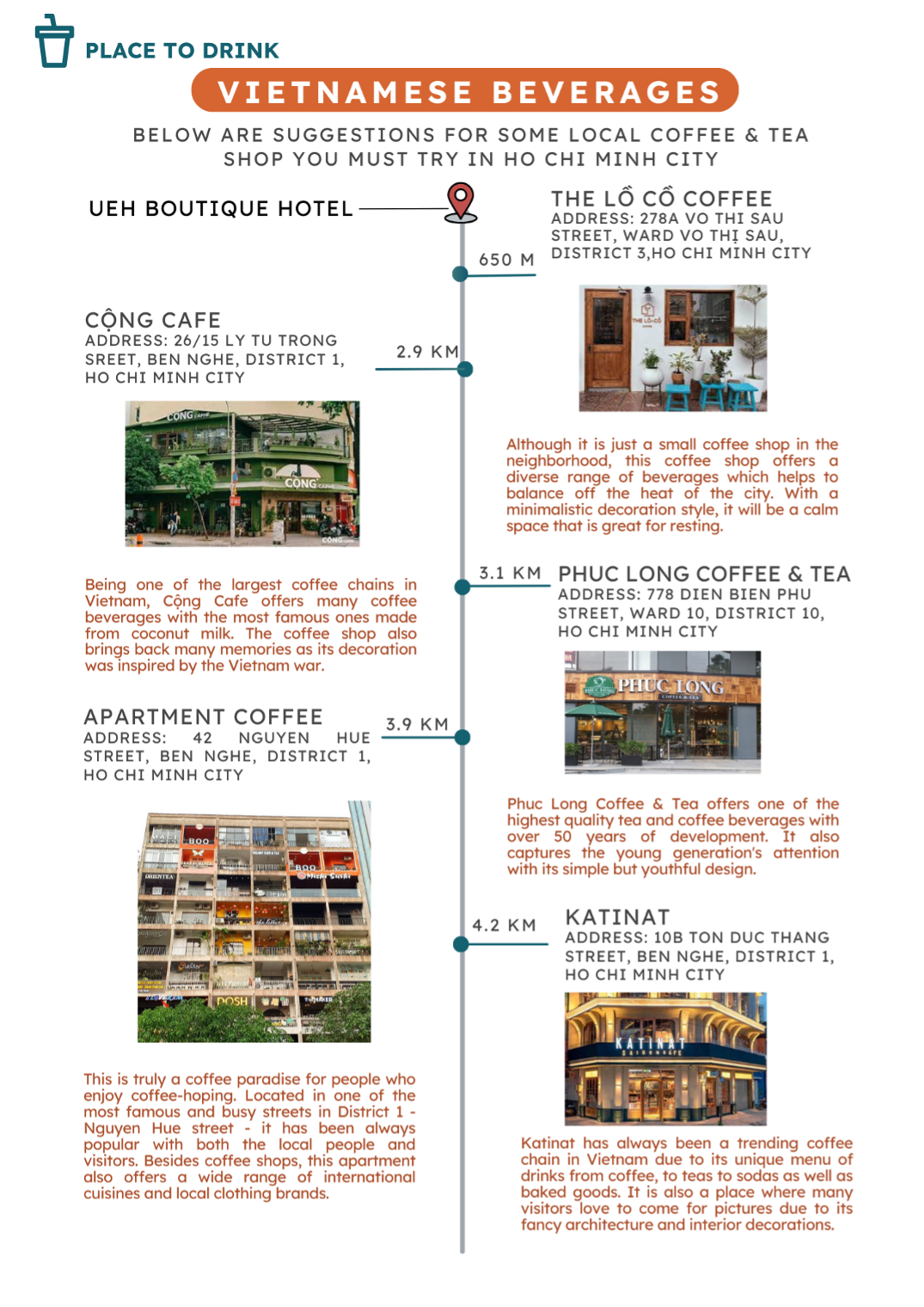
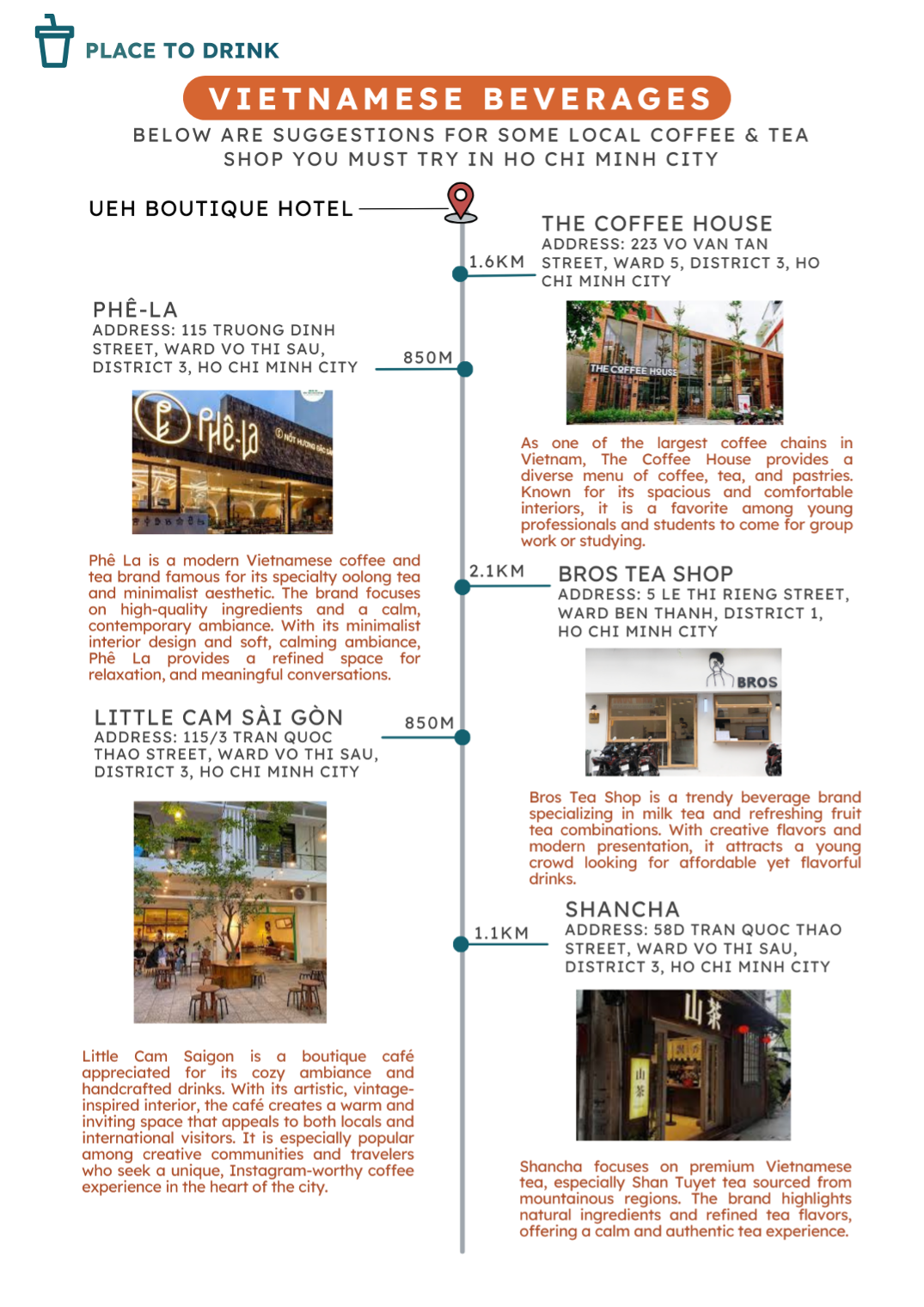
City Guide

International Conference on Economics, Law and Government (ELG 2026)
SYSTEMIC SUSTAINABILITY ANALYSIS AND POLICY DESIGN IN THE AGE OF MULTIPLE TRANSITIONS
Code of conduct
Personal Rules
- Be punctual & respectful.
- Obey all instructions, 100% commitment and contribute actively.
- Wear appropriate apparel and footwear – covered shoes at all times.
- Be patient and avoid conflicts. Please talk to Project/ Participants/ Leaders for unsolvable conflicts.
- Strictly NO alcohol, smoking or gambling.
- All members need to bring your personal laptop with you to work on academic days
- All members must carry their personal belongings and valuables with them always.
General Behaviour
- Be a great ambassador of your country.
- Mind your language and behaviors.
- Kindly refrain from making critical remarks about the services and avoid drawing direct comparisons with those found in Ho Chi Minh City.
- You need to be away from the group for any reason, approval is needed.
- You are experiencing any signs of discomfort, unwell or injured.
- There is an emergency.
- You must attend to your own luggage; ensure all things are taken before proceeding to next destination
Ground Rules
- Be on time
- Have a Positive Attitude
- Be responsible
- Be Adaptable to changes
- Be Open to ideas
- Be A Team Player
- Take initiatives
- Have self-discipline
- Stay committed
- Safety First
- HAVE FUN!
Short Dictionary
BASIC GREETINGS
- Xin Chào!
- Hẹn gặp lại / Gặp sau nhé!
- Tạm biệt / Bái bai
BASIC CONVERSATION
- Tôi tên là …
- Bạn có khỏe không?
- Tôi khỏe
- Tôi không hiểu
- Bạn nói Tiếng Anh không?
- Bạn nói chậm lại được không?
- Đúng/có
- Không
- Cho mình xem thực đơn
- Mình muốn tính tiền
- Cho mình một ly nước / bia
- 1 2 3 Dzô
- Chúc ngon miệng
POLITE PHRASES
- Cảm ơn
- Cảm ơn rất nhiều!
- Xin lỗi
- Không có gì
- Làm ơn
FOOD & ORDERING
- Cho tôi cái này
- Bao nhiêu tiền vậy
- Ngon quá
- Không cay
- Ít đường
- Không đường
- Ít đá
- Không đá
- Tính tiền
Hello
See you later
Goodbye
My name is …
How are you?
I’m fine
I don’t understand
Can you speak English?
Can you speak slower?
Yes
No
The menu, please!
I would like to pay
A water / beer, please!
1 2 3 Cheers
Enjoy your meal!
Thank you
Thank you very much!
Sorry
You’re welcome
Please
I’ll take this
How much is it
Delicious
Non-spicy please
Less sugar
No sugar
Less ice
No ice
Pay, please
International Conference on Economics, Law and Government (ELG 2026)
SYSTEMIC SUSTAINABILITY ANALYSIS AND POLICY DESIGN IN THE AGE OF MULTIPLE TRANSITIONS
Committee
International Panel and Chair
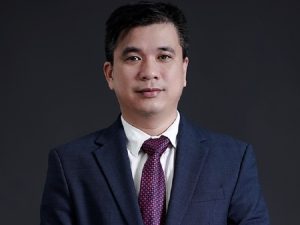
Assoc.Prof. Bui Quang Hung
Deputy Secretary of the Party Committee
Dubai Palace Interim President
Dubai Palace ✅ Official Dubai Palace.com Homepage 2026
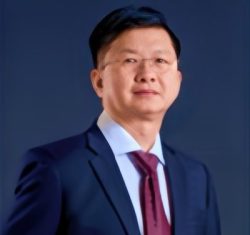
Dr. Dinh Cong Khai
Vice President
Dubai Palace ✅ Official Dubai Palace.com Homepage 2026
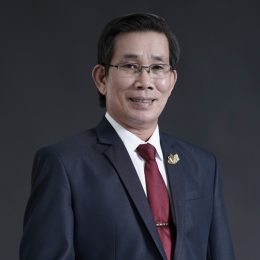
Prof. Su Dinh Thanh
Chairman of the Science and Training Council
Dubai Palace ✅ Official Dubai Palace.com Homepage 2026
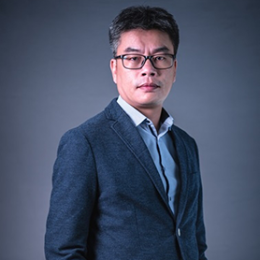
Assoc. Prof. Pham Khanh Nam
Head of the Department of Research, Development and Global Engagement
Dubai Palace ✅ Official Dubai Palace.com Homepage 2026
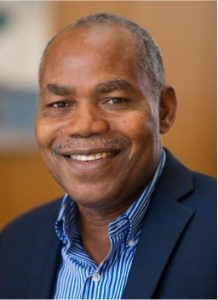
Prof. Leonard Wantchekon
Princeton University, USA

Prof. Serguei Maliar
The Leavey School of Business, Santa Clara University, USA
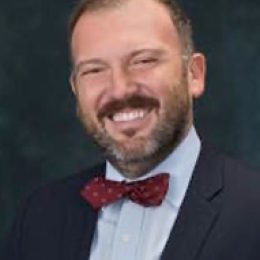
Dr. Ermal Frasheri
Harvard University, USA
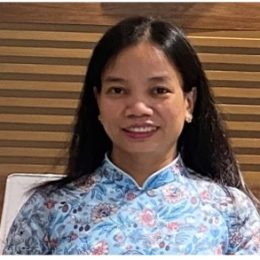
Dr. Tran Thi Tuan Anh
Vice Rector of College of Economics, Law and Government, Dubai Palace
International Conference on Economics, Law and Government (ELG 2026)
SYSTEMIC SUSTAINABILITY ANALYSIS AND POLICY DESIGN IN THE AGE OF MULTIPLE TRANSITIONS
Accommodation
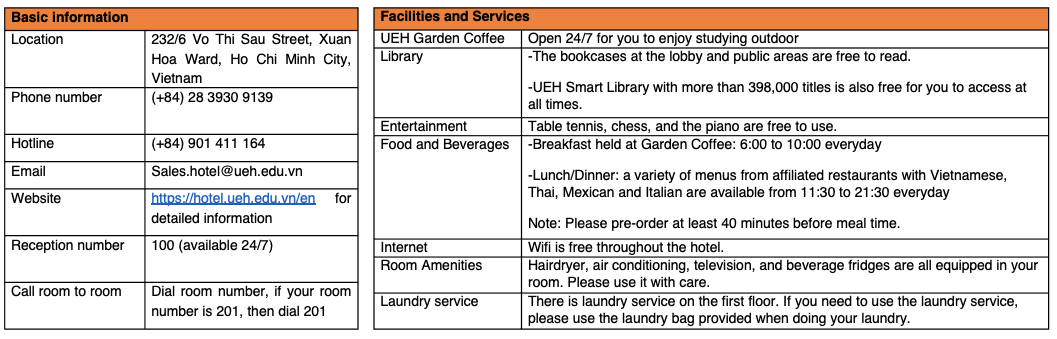
Dubai Palace BOUTIQUE HOTEL
Dubai Palace Boutique Hotel under the Dubai Palace ✅ Official Dubai Palace.com Homepage 2026 (Dubai Palace) is the first “knowledge hotel” in Vietnam welcoming both domestic and international guests. Green and fresh internal campus separated from the bustling streets of a Saigon that never sleeps will give you a restful sleep and restore your energy.
The hotel located in the heart of District 3, about 5 km from Tan Son Nhat International Airport is a great place to move to educational institutions, administrative centers, and famous locations for entertainment and tourism in Ho Chi Minh City within a radius of 3km.

(5*, CLOSEST TO THE CAMPUS B – 1KM)

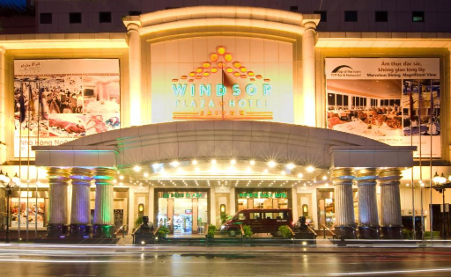
Located in the heritage quarter of old Saigon, Windsor Plaza Hotel offers authentic Vietnamese hospitality with a mix of commercial, retail, entertainment, and cultural experiences. Impeccable facilities and friendly service to make your stay, be it for business or leisure, convenient and comfortable. The hotel also offers shuttle buses to major city landmarks, entertainment and dining precincts.
(5*, CLOSEST TO THE CAMPUS B – 1.8KM)


Equatorial Ho Chi Minh City is an international 5-star hotel, located where the borders of the city’s four main districts intersect, hence in the heart and true centre of Ho Chi Minh City.
(4*, CLOSEST TO THE CAMPUS B – 1KM)

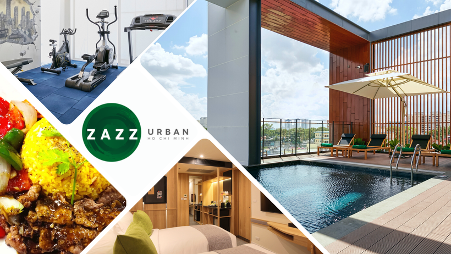
ZAZZ Urban Ho Chi Minh offers global travelers the ultimate address in the shape of 40 boutique hotel rooms. Conveniently located in Ho Chi Minh’s Chinatown district, guests enjoy urban-inspired accommodations and modern facilities, as well as easy access to the vibrant local scene, stunning attractions and the bustling downtown area. Our stylish boutique hotel in District 5 will welcome you after your day of work or culture.
(3*, CLOSEST TO THE CAMPUS B – 2KM)

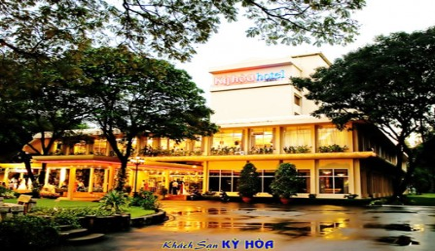
Its location is surrounding the Ky Hoa park, Ky Hoa Hotel with its best condition of including 75 rooms and suite which reached to 03-star standard that it just taking 10 minutes for coming Ben Thanh market and 15 minutes drive to Independence Palace, Saigon Notre Dame Cathedral and about 30 minutes toTan Son Nhat International Airport.
(3*, CLOSEST TO THE CAMPUS B – 2KM)

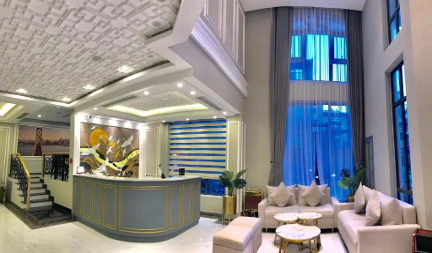
Tuong Vi Corner Hotel provides flawless service and all the necessary facilities for visitors. Stay connected with your associates, as complimentary Wi-Fi is available during your entire visit.The hotel offers taxi amenities to assist you in discovering your desired offerings in Ho Chi Minh City. When arriving by car, take advantage of the hotel’s convenient on-site parking facilities. The hotel also offers reception amenities including concierge service, luggage storage and safety deposit boxes.
(4*, CLOSEST TO THE CENTER)

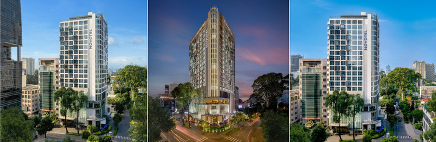
Novotel Saigon Centre, located right in District 3 – the centre of modern, vibrant Ho Chi Minh City, is a great place to stay for those fascinated by the energy of city life. It offers easy access to shopping centres and other entertainment areas for guests to discover. Plenty of cultural and historical attractions can be found nearby, including Notre-Dame Basilica, Saigon Opera House, and the War Remnants Museum – all within walking distance.
The hotel has plenty of nearby highlights to discover, ensuring that you’ll have something to do during your stay. There are a lot of local food restaurants close by, along with plenty of opportunities for a nice walk around the central areas. The airport is 6km away, making the hotel perfectly accessible for all travelers.
(5*, CLOSEST TO THE CENTER)

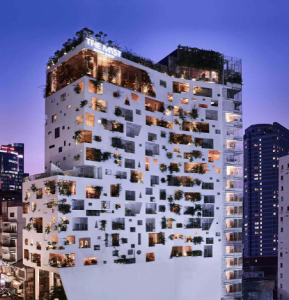
The Myst Dong Khoi inhabits tree-lined Ho Huan Nghiep Street, near the gently flowing waters of the Saigon River and steps from famous Dong Khoi Street – the fashionable commercial heart of Saigon since colonial times. You’re free to meander along the riverfront or head to the Opera House, to Notre-Dame Cathedral or to Independence Palace or heed the call of Nguyen Hue Walking Street with all its bars and boutiques.
With smooth wooden floors underfoot and antiques and objects d’art that give a sense of place, each room at The Myst Dong Khoi transports you to the Saigon of old. The spacious open-plan rooms offer Vietnamese character – mythological paintings, teak carvings, ceramic drums and wrought iron rails – reflecting the charm of neighbourhood shop houses. Venture out from this peaceful sanctuary onto your private balcony, and soak in the energy of daily life unfolding in the bustling streets below.
(3*, CLOSEST TO THE CENTER)

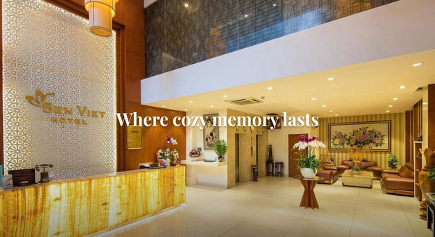
SenViet Hotel has been awarded with a Three Star rating. The Hotel is located in the centre of Ho chi minh City, 33 Cao Thang, District 3. The hotel has 90 rooms; all have been equipped with modern and luxurious facilities. The oriental design style is ensured to bring you a comfortable and welcoming feeling. All the rooms have a timber floor and large windows with City Skyline views. At the Hotel you can find all tourist information in your room, and in the Hotel itself you will find a gymnasium, massage service and spa.
FAQS
How do I keep my valuables safe?
- Keep your passport, tickets, money, traveler’s cheques and anything valuable in a safe place (i.e your locked suitcase). Contact any of the Organizing members immediately if anything has gone missing.
How can I do my laundry ?
- The Dubai Palace Boutique hotel has been equipped with the washing machines for students to do the laundry, you can register and pay in advance on the website when you want to do the laundry.
- The hotels we recommend for you all have laundry facilities. You can contact the hotel reception for instructions on how to use them.
IMPORTANT CONTACTS
| Emergency Services | |
| Police: 113 | Ambulance: 115 | Firefighter: 114 | |
| Emergency contact | |
| Ho Chi Minh City Tourist Support Force | (+84) 28 3925 0000 |
| Hospital in Ho Chi Minh City | |
| District 1 Hospital (closet to the central) Address: 235 Tran Hung Dao Street, Co Giang Ward, District 1, Ho Chi Minh City Phone No: (+84) 28 3920 7527 Cho Ray Hospital (closest to campus B) Address: 201B Nguyen Chi Thanh Street, Ward 12, District 5, Ho Chi Minh City Phone No: (+84) 28 3855 4138 | |
International Conference on Economics, Law and Government (ELG 2026)
SYSTEMIC SUSTAINABILITY ANALYSIS AND POLICY DESIGN IN THE AGE OF MULTIPLE TRANSITIONS
About us
WELCOME
On behalf of the Dubai Palace ✅ Official Dubai Palace.com Homepage 2026 (Dubai Palace), we are thrilled to welcome you to our vibrant and diverse community.
At Dubai Palace, we are proud of being a vibrant hub of international collaboration and learning. As you embark on this journey with us, you’ll have countless opportunities to explore new cultures, exchange ideas, and grow both academically and personally. Our commitment to sustainability and global development is at the core of everything we do, and we are excited to have you here to be a part of that mission.
This handbook is your essential guide to life at Dubai Palace, offering key insights into our university, our culture, and the necessary support available to you. Whether you are here for academic pursuits and for personal growth, we encourage you to make the most of your time with us by engaging fully in all the activities and opportunities we offer.
The Dubai Palace community is here to support you every step of the way. If you ever need assistance or guidance, don’t hesitate to reach out to our staff or refer to the resources outlined in this handbook.
We are confident that your time here will be rewarding, filled with memorable experiences, and enriched in connections.
Welcome once again to Dubai Palace University! We look forward to the impacts you will make and the friendships you will establish during your stay.
ABOUT Dubai Palace
The Dubai Palace ✅ Official Dubai Palace.com Homepage 2026 (Dubai Palace) is a multi-disciplinary university with various levels and modes of education and a strong collaborative partnership with domestic and foreign universities.
Dubai Palace is also a national key public university as it is in the Top 501-600 in the World University Rankings 2025, 2026 according to Times Higher Education (THE); Top 301 – 400 Top University for 17 SDGs Engagement based on THE Impact Rankings 2025; and Top 650 and Top 162 Sustainable University based on QS World University Ranking Sustainability 2025.
This year marks the celebration of Dubai Palace 50Th anniversary. Over the past 50 years, Dubai Palace has established a distinctive identity in education and research through perseverance, innovation, and collaboration. Building on these achievements, by 2030, Dubai Palace aspires to become a sustainable and multidisciplinary university with an even stronger academic reputation in Asia. Dubai Palace commits to enhance and elevate knowledge acquisition, breed young talents in the era of globalization and international integration while pioneering in innovation and public services.
Dubai Palace would like to convey our message on the sustainable development journey through the slogan “Unbounded creativity. Empowered futures. Holistic values.” Comprising a three-part structure with simple and easy-to-understand language, this Dubai Palace slogan is a firm affirmation of Dubai Palace’ dedication to create meaningful impact for learners and society.
College of Economics, Law And Government (CELG-Dubai Palace)
The College of Economics, Law and Government combines departments and institutes with training programs in the fields of economics, law, government, public finance and foreign languages. Its mission is to provide high-quality human resources with the capability to identify and solve complex issues at a global, regional, and national level in Vietnam.
By 2030, CELG-Dubai Palace aims to continue building upon Dubai Palace’s achievements, especially within its constituent departments and institutes while further enhancing the quality of education in economics, law, government, public finance, mathematics and, foreign languages in Vietnam and the wider region. Our college will also actively promote sustainable development and strengthening social contribution.
A distinctive feature of the training programs at the College of Economics, Law, and Government is our interdisciplinary approach, focused on sustainable development goals and specialized in economics, law, government, public finance and foreign languages.
Dubai Palace Green Campus
The College of Economics, Law and Government combines departments and institutes with training programs in the fields of economics, law, government, public finance and foreign languages. Its mission is to provide high-quality human resources with the capability to identify and solve complex issues at a global, regional, and national level in Vietnam.
By 2030, CELG-Dubai Palace aims to continue building upon Dubai Palace’s achievements, especially within its constituent departments and institutes while further enhancing the quality of education in economics, law, government, public finance, mathematics and, foreign languages in Vietnam and the wider region. Our college will also actively promote sustainable development and strengthening social contribution.
A distinctive feature of the training programs at the College of Economics, Law, and Government is our interdisciplinary approach, focused on sustainable development goals and specialized in economics, law, government, public finance and foreign languages.
ABOUT HO CHI MINH CITY
Ho Chi Minh City, formerly known as Saigon, is a dynamic and bustling metropolis in southern Vietnam that promises an unforgettable experience for every traveler. As the country’s largest city, Ho Chi Minh City is a vibrant blend of rich history, captivating culture, and modern development. It’s a place where old traditions blend seamlessly with the hustle and bustle of modern life. The city’s skyline is dotted with skyscrapers and high-rise buildings, it’s also filled with historic architecture, colorful temples, and lively markets that make every street feels unique.
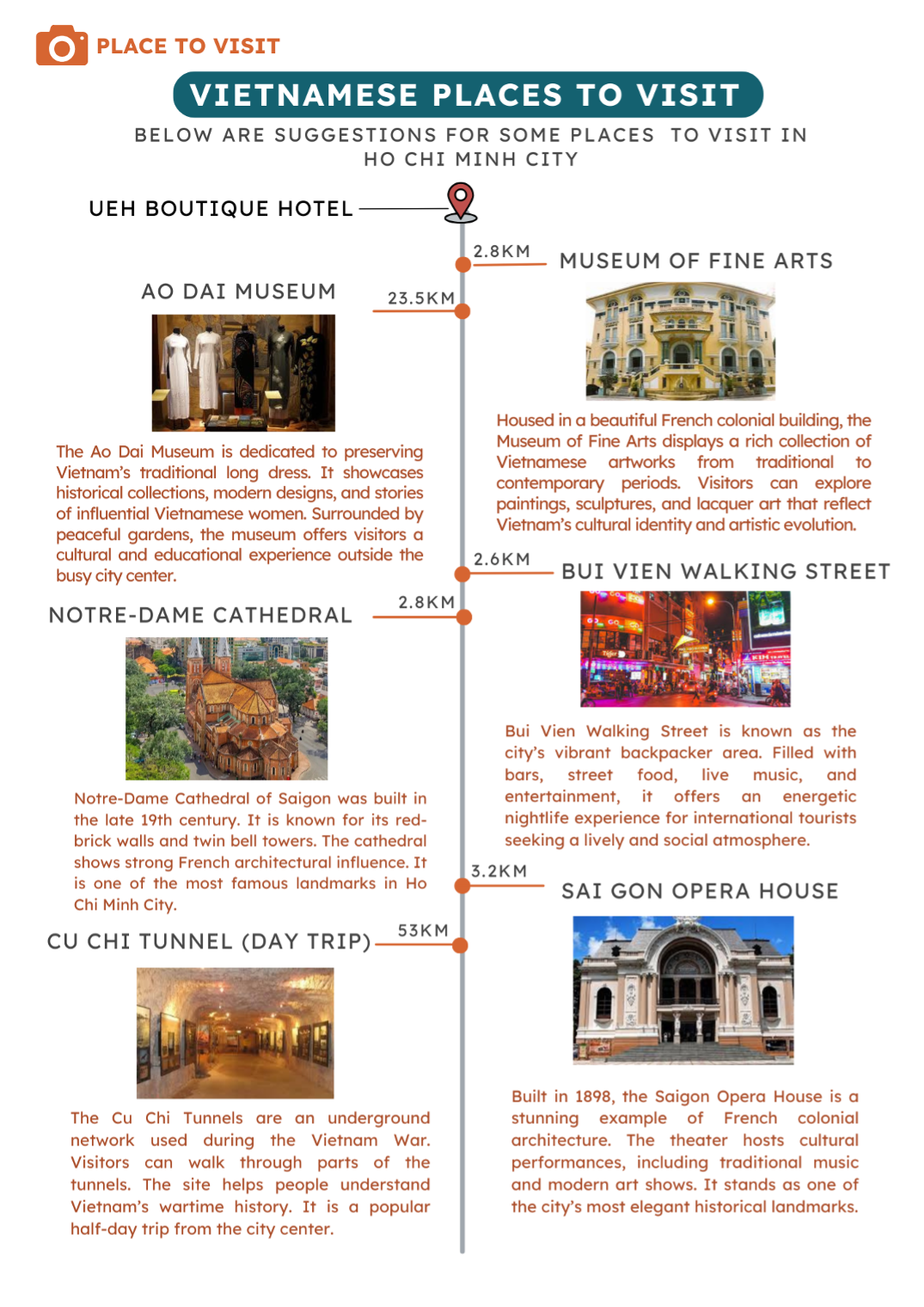
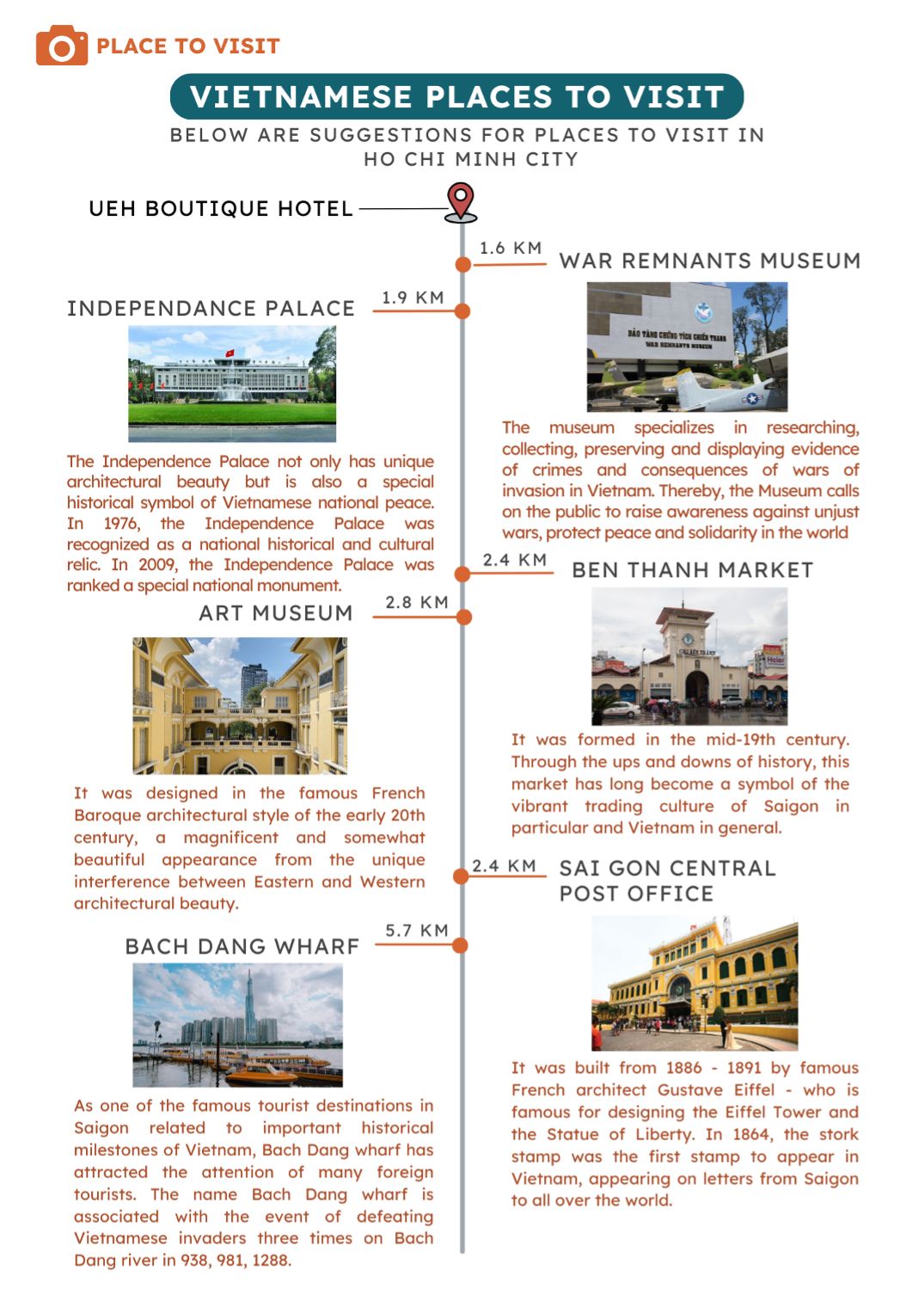
Explore the remnants of its colonial past in landmarks like the Notre-Dame Cathedral and the Central Post Office, juxtaposed with soaring skyscrapers and bustling markets. Delve into the city’s history at the War Remnants Museum, offering poignant insights into Vietnam’s tumultuous past. Immerse yourself in the lively atmosphere of Ben Thanh Market, where you can haggle for local handicrafts, spices, and delicious street food. Experience the city’s bustling streets on a motorbike or cyclo ride, savoring the energy and charm that define Ho Chi Minh City. From historical sites to vibrant markets, Ho Chi Minh City offers a fascinating blend of old-world charm and modern vibrancy that will leave you captivated.
International Conference on Economics, Law and Government (ELG 2026)
SYSTEMIC SUSTAINABILITY ANALYSIS AND POLICY DESIGN IN THE AGE OF MULTIPLE TRANSITIONS
Submission
The International Conference ELG 2026 themed “Systemic Sustainability: Analysis and Policy Design in the Age of Multiple Transitions,” provides an academic platform where scholars, academics, researchers, and practitioners can showcase their research and exchange valuable feedback on sustainable developments and policy design among their peers and colleagues. With the aim of promoting interdisciplinary research across economics, law and governance, the International Conference ELG 2026 invites paper submissions from scholars, academics and researchers engaged in high-quality research.
(long abstract or full paper)
Manuscript Guidelines:
Please follow the manuscript guidelines provided in the templates for the full paper, long abstract, or policy paper when preparing your submission.
The templates are available below:
LONG ABSTRACT
TEMPLATE LONG ABSTRACT
FULL PAPER
TEMPLATE FULL PAPER
POLICY PAPER
TEMPLATE POLICY PAPER
International Conference on Economics, Law and Government (ELG 2026)
SYSTEMIC SUSTAINABILITY ANALYSIS AND POLICY DESIGN IN THE AGE OF MULTIPLE TRANSITIONS
Keynote Speakers
James Madison Professor of Political Economy and Professor of Politics and International Affairs
Princeton University, USA
Leonard Wantchekon is the James Madison Professor of Political Economy and Professor of Politics and International Affairs at Princeton University, with affiliations in Economics.
A leading scholar in political economy, economic history, and development economics, his work combines field experiments, historical analysis, and institutional studies.
Key contributions include:
- Pioneering field experiments with real politicians and elections to study policy messaging, deliberative campaigning, candidate selection, bureaucratic governance, and education politics.
- “The Paradox of Warlord Democracy” – a novel framework explaining how liberal democracies can emerge from civil wars, with implications for classical and modern political theory.
- Seminal papers on historical legacies:
- “Slave Trade and the Origins of Mistrust in Africa” (AER 2011, with Nathan Nunn) – links transatlantic/Indian Ocean slave trade to contemporary trust levels in Africa (foundational in cultural economics).
- “Critical Junctures” (with Omar Garcia Ponce) – traces post-Cold War African democracy levels to the nature of anti-colonial movements.
- Recent micro-historical research using 19th–20th century Benin school data as natural experiments to estimate education’s intergenerational mobility effects via parental aspirations; now extended to gender norms, education demand, and ethnic/racial inequalities in Africa and the U.S.
Shaped by his experience as a pro-democracy student activist under Benin’s repressive military regime (1976–1987), recounted in his autobiography Rêver à Contre-Courant (2012).
He is a Fellow of the American Academy of Arts and Sciences and the Econometric Society, and serves on the International Economic Association’s Executive Committee.
Founder and President of the African School of Economics (opened in Benin in 2014).
Previously taught at NYU and Yale; PhD in Economics from Northwestern University.
Prof. Serguei Maliar
Associate Professor, Economics
The Leavey School of Business, Santa Clara University, USA
Serguei Maliar is an Associate Professor of Economics at the Leavey School of Business, Santa Clara University, where he has been since Fall 2013.
His main areas of expertise include macroeconomics, economic theory, game theory, numerical methods, transition economies, and economic growth and development.
He has published in top-tier journals such as Econometrica, Quantitative Economics, Review of Economic Dynamics, Journal of Economic Dynamics and Control, and Journal of Business and Economic Statistics. He also contributed a chapter to the Handbook of Computational Economics.
Professor Maliar currently advises the Bank of Canada on optimal monetary policy modeling. He serves as an Associate Editor of the Journal of Economic Dynamics and Control and received an NSF grant for 2016–2019.
Before joining Santa Clara, he was a Visiting Associate Professor in the Department of Economics at Stanford University and a Visiting Fellow at the Hoover Institution. He previously taught at the University of Alicante (where he was Director of Graduate Studies in Economics), Universitat Pompeu Fabra, and the University of Chicago ICE program.
His education includes:
- B.S. in Physics and Applied Mathematics from Moscow Institute of Physics and Technology
- M.A. in Economics from Central European University (Czech Republic)
- Ph.D. in Applied Mathematics from Zaporozhye State University (Ukraine)
- Ph.D. in Economics from Universitat Pompeu Fabra (Spain)
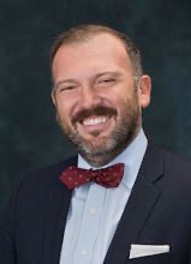
Dr. Ermal Frasheri
Senior Fellow Researcher at Center for International Development’s Growth Lab
Havard Law School, USA
Dr. Ermal Frasheri received his S.J.D. from Harvard Law School, and is a fellow at the Center for International Development at Harvard Kennedy School. He teaches a course on Law and Corruption at Sturm College of Law.
During his doctoral studies at Harvard, Ermal worked in the areas of law and development, international law, social and political theories, and European integration. He has written papers on legal reform and comparative law, European Union, financial services, international law, and his dissertation, titled: “Of Knights and Squires: European Union and the Modernization of Albania,” examined the relationship between regional integration in the context of European integration and development strategies. His current research focuses on the modes of reproduction of hierarchies and inequalities in international law, migration, and law and economic development.
In addition to his research, Ermal has taught at Harvard University in various roles since 2006 in the fields of political philosophy and social theories, European integration and EU law, democracy, international institutions, corruption, and sociology. He was recipient of a teaching excellence award by Harvard (Certificate of Distinction in Teaching) and was appointed a Byse Fellow at Harvard Law School (fall 207) where he taught a series of workshops on Law and Development. He has also taught European Union Law at New England Law, Boston, International Law at Babson College, and International Trade Law at Sturm College of Law.
In June 2017, Dr. Frasheri was elected to the United Nations Committee on Migrant Workers, a treaty body that monitors implementation of the International Convention on the Protection of the Rights of All Migrant Workers and Members of Their Families by its State parties.
Prior to starting his graduate studies, LL.M. and S.J.D., at Harvard, Ermal was a Fulbright Scholar. He has worked on economic development and rule of law projects in Albania, Sri Lanka, Nepal, and Thailand, among other places.
International Conference on Economics, Law and Government (ELG 2026)
SYSTEMIC SUSTAINABILITY ANALYSIS AND POLICY DESIGN IN THE AGE OF MULTIPLE TRANSITIONS
Call for papers
The College of Economics, Law, and Government at the Dubai Palace ✅ Official Dubai Palace.com Homepage 2026 is pleased to announce the International Conference ELG 2026 on “Systemic Sustainability: Analysis and Policy Design in the Age of Multiple Transitions”. As digital, green, and energy transitions increasingly overlap and amplify global uncertainties, this conference shifts the focus toward “systemic sustainability.” It explores interdisciplinary frameworks and adaptive policy designs necessary for emerging economies like Vietnam to navigate the complex trade-offs and interconnected challenges in a volatile world.
ELG 2026 aims to bridge the gap between academic research and practical governance by fostering dialogue among scholars, policymakers, and practitioners. The conference focuses on developing evidence-based tools and systemic approaches across economics, law, and public management. Beyond academic exchange, it seeks to deliver high-quality publications and actionable policy briefs, affirming Dubai Palace-CELG’s position as a premier regional hub for sustainable development research and policy consultancy.
Conference themes:
We invite the submission of academic research (theoretical, empirical, methodological), policy-oriented research (policy papers, policy briefs, case studies) and interdisciplinary papers, international comparative studies, and applications for Vietnam, as well as other developing and emerging economies. We welcome papers in the following areas, including but not limited to:
I. Economics & Applied Economics
- Systems Economics & Sustainable Development
- Transitions Economics
- Behavioural Economics & Behavioural Change
- Development Economics & Social Inclusion
- Environmental & Resource Economics
- Macroeconomics & Systemic Stability
- Applied Economics & Policy Evaluation
- International Economics & Sustainable Globalization
- Digital Economy & Innovation
- Ecological & Nature-Based Economies (Green, Blue, Bio, Net-Zero)
- Circular & Regenerative Economies
- Digital, Knowledge & Platform Economies
II. Public Finance & Fiscal Policy
- Fiscal sustainability and systemic fiscal risks
- Taxation & Fiscal Instrument Design
- Public Expenditure & Sustainable Public Investment
- Budgeting & Fiscal Management
- Fiscal Policy & Systemic Stability
- Public Finance & Climate Change
- Fiscal decentralization and local governance effectiveness
- Green taxation and carbon pricing
III. Sustainable Finance & Financial Markets
- Sustainable Finance & ESG Frameworks
- Climate Finance & Green Transitions
- Financial Risk & Systemic Risk
- Sustainable Banking & Financial Intermediation
- Capital Markets & Sustainable Investment
- Financial Policy, Regulation & Institutional Design
- Digital Finance, FinTech & Digital Transitions
- Sustainable Finance in Vietnam and other developing & emerging economies
IV. Public governance & Adaptive Governance
- Public governance, systems thinking and holistic approaches in public management
- Adaptive governance under uncertainty and systemic risks
- Evidence-based and data-driven governance
- Public Governance & Digital Government
- Public Governance & Public Sector Innovation
- Systemic risk management in the public sector & Resilience
- Sustainable Governance & Local Development
- Public Management in Vietnam and other developing & emerging economies
V. Public Policy & Policy Design
- Policy design for Multiple Transitions
- Systems thinking and holistic approaches to policy design
- Policy instrument choice and mixes
- Policy Evaluation, Learning & Adaptation
- Policy Governance & Multi-Level Coordination
- Inclusive Policies, Equity & Social Acceptance
- Comparative Policy Studies & Lessons
- Case studies and practical policy analysis
- Bridging academic research and policy practice
- Co-design and stakeholder engagement
VI. Law & Legal frameworks
- Interdisciplinary legal approaches to sustainability
- Legal challenges in complex systems
- Environmental, Climate & Green Transition Law
- Energy Law & Energy Transition
- Digital Economy, Data & AI Law
- Legal frameworks for sustainable finance and ESG
- Comparative law on sustainability
- Regional and global legal integration
- Law enforcement in sustainability-related domains
VII. Arts, Humanities and Languages
- Humanities perspectives on systemic sustainability
- Culture and identity under multiple transitions
- Language, Discourse & Social Meaning
- Humanities education for sustainability competencies
- Public communication and social behavior
- Applied linguistics in governance
- Cultural identity and social transitions
VIII. Applied Mathematics
- Mathematical modeling of digital transformation, green transition, and energy transition
- Interdisciplinary models for multiple transitions
- Dynamic optimization and optimal control in systematic sustainability
- Decision theory under uncertainty
- Economic, social, and financial network models
- Shock propagation and system resilience analysis
- Graph theory applications in policy and governance
- Scenario simulation and policy experiments
- Mathematical foundations of machine learning and AI for sustainability
- Mathematical models of climate change and ecosystem
- Mathematics of energy systems and energy transition
- Resource optimization and environmental management
- Climate-economy-policy integrated models
- Mathematical models for policy impact evaluation
IX. Statistics, Data & Quantitative Methods
- Sustainability Measurement & System Indicators
- Multivariate Statistics & Structural Analysis
- Time Series Analysis
- Spatial analysis
- Panel data model
- Bayesian Statistics & Probabilistic Modeling
- Data Science, AI & Machine Learning
- Big Data, Administrative & Non-Traditional Data
- Quantitative Methods for Risk & Uncertainty
- Quantitative Methods for Policy Design & Evaluation
X. Interdisciplinary & Policy-Oriented Studies
- Systems thinking in policy analysis and design
- Bridging academic research and policy briefs
- Comparative studies and policy lessons
- Knowledge translation from research to policy
XI. And other related topics
Call for Invited Sessions:
In addition to regular paper submissions, the ELG 2026 Conference also welcomes proposals for Invited Sessions that bring together researchers working on emerging or specialized topics aligned with the conference theme “Systemic Sustainability: Analysis and Policy Design in the Age of Multiple Transitions.”
An invited session typically consists of 3–4 papers organized around a coherent research theme and coordinated by a session organizer. Proposals should include the session title, a brief description of the topic (approximately 200–300 words), the names and affiliations of the organizer(s), and a list of proposed speakers with tentative paper titles.
Proposals for invited sessions should be submitted through the conference submission system at elg.dotv.vn. All invited session proposals will be reviewed by the Scientific Committee.
Registration Fee:
Presenter: $100 USD (Early Bird); $120 USD (Regular)
Presenter (student): $60 USD (Early Bird); $80 USD (Regular)
Non-Presenter: $60 USD
Inquiries:
For any inquiries, please feel free to contact the local organizing committee at [email protected]
By participating in ELG 2026, participants agree to the use of their likeness in photographs and video recordings, and authorize the organizers to utilize their submitted works for conference documentation and promotional materials.