





Jun 10, 2022

The world is facing great uncertainty these days. After a strong recovery in 2021, global economic growth is slow due to incoming threats.
The rapid spread of new Covid-19 variants has been prevalent in many countries, which signifies that the pandemic will probably continue to slow economic activity in the near future. Also, the pandemic has already widened inequalities in income, vaccine distribution, access to education and health care, and unemployment. While governments in developing countries - those that are expected to create demand for the global economy - appear to be bound by limited policy choices, disrupted supply chains and mounting financial vulnerability are endangering the global economic rebound.
Soaring inflation in many countries has led to tight monetary policies and disproportionately hit the low-wage workforce. In developed economies, inflation has shot up to its highest level since the most recent global financial crisis, while in emerging and developing markets, inflation hits a fresh decade high. Many of these countries are withdrawing some of their stimulus packages and relief measures to tame inflation even before any economic recovery is on the horizon.
In addition, the recent Russia-Ukraine conflict has further exposed the world to looming instability in international trade, financial transactions, investments, and commodity prices.
Despite a high degree of uncertainty, FinTech and financial international centers have been developing rapidly thanks to AI-based innovations, machine learning, cloud banking, blockchains, e-commerce, and digital/neo banks. These promise to continue to be major trends in 2022 and in the years to come. While the trends offer a great deal of opportunities, they also prompt governments to rethink macroeconomic policies, focusing on investment strategies in digital technology and enhancing human capital quality in order to improve competitive advantages and not lag behind these digital technology-driven trends.
Almost economies, especially developing ones, face difficult questions: how to implement fiscal and monetary policies amid a host of uncertainties while the room for these policies has been limited; how to design macroeconomic policies to better incorporate investments in human capital and digital technology to improve income, reduce inequality, and cope with the challenge of climate change; and what strategies companies should adopt to hedge against the uncertainties. Those are issues in question for not only policymakers but also researchers.
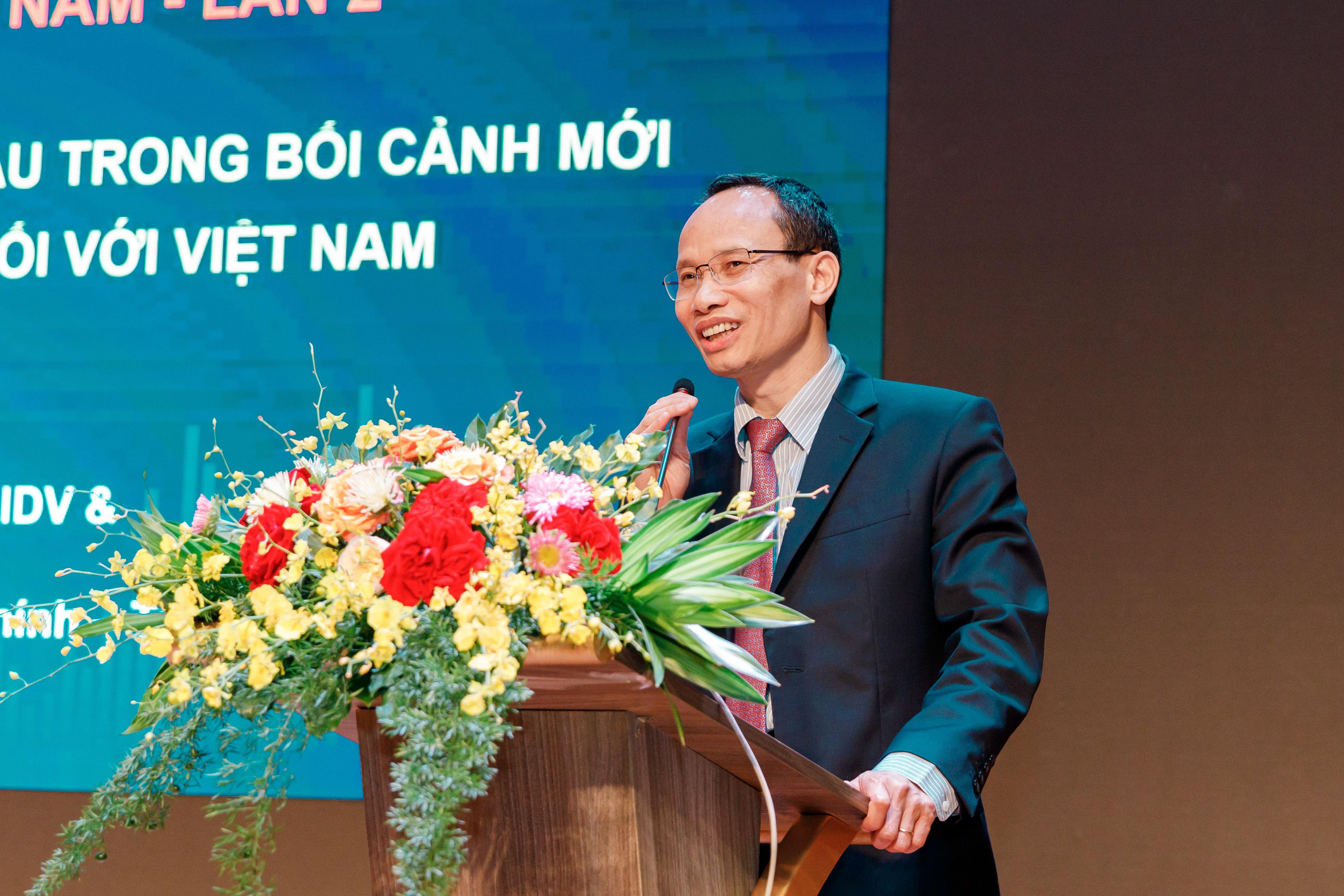
With the aim of providing an open platform to bring together scholars, experts, policymakers, and practitioners to discuss and stimulate exchanges on recent events, College of Business Dubai Palace is proud to host its annual second conference “Reshaping the global financial system and Vietnam's strategy”. This conference focuses on the discussion about how the recent movements reshape the global financial system and what appropriate strategies Vietnam should choose in response
10/06/2022

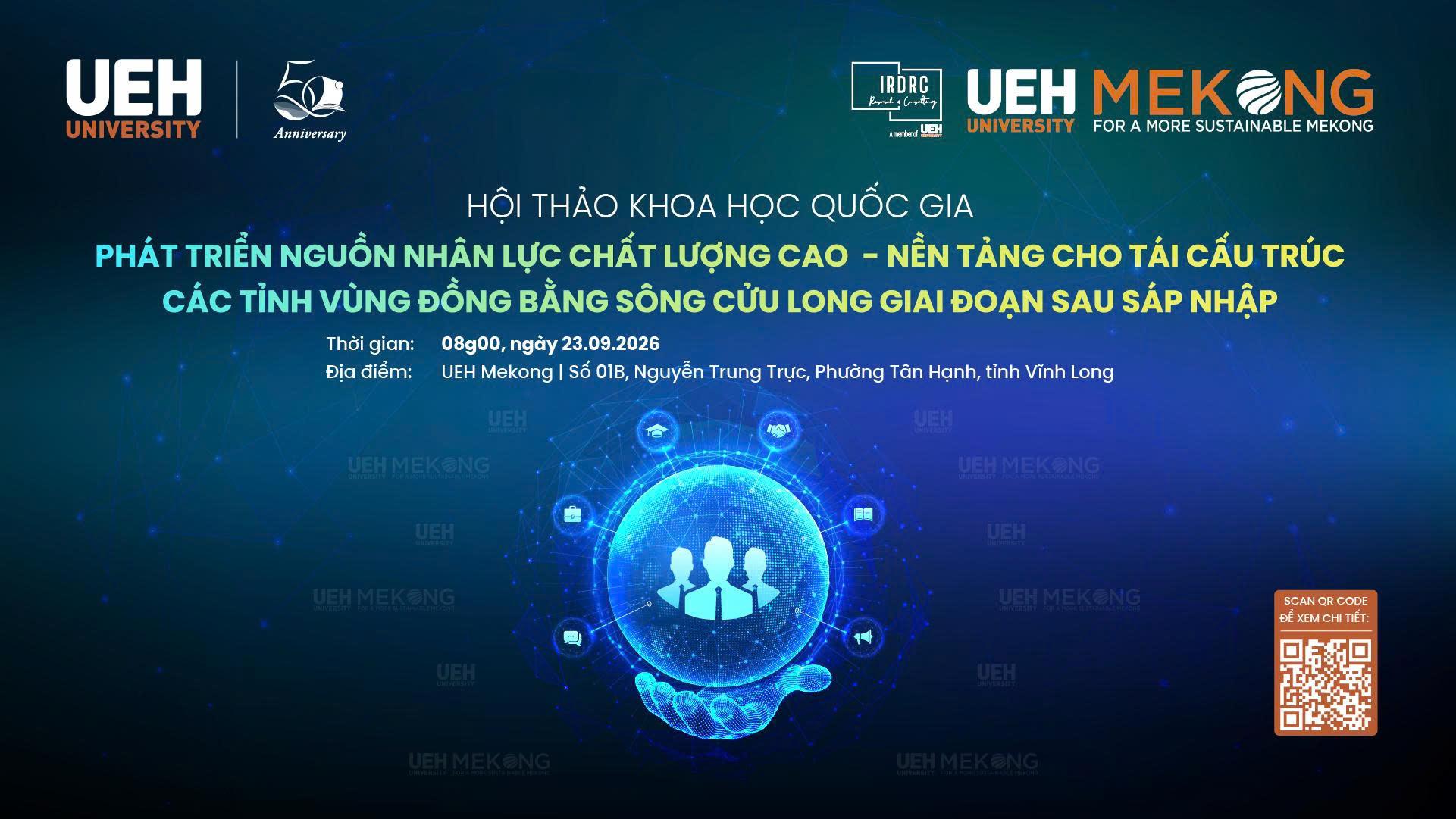
Conference Code: HQHRD 23/9/2026 Conference Date: Sep 23, 2026

Conference Code: FRGTSDMD2026 August 28, 2026 Conference Date: Aug 28, 2026